

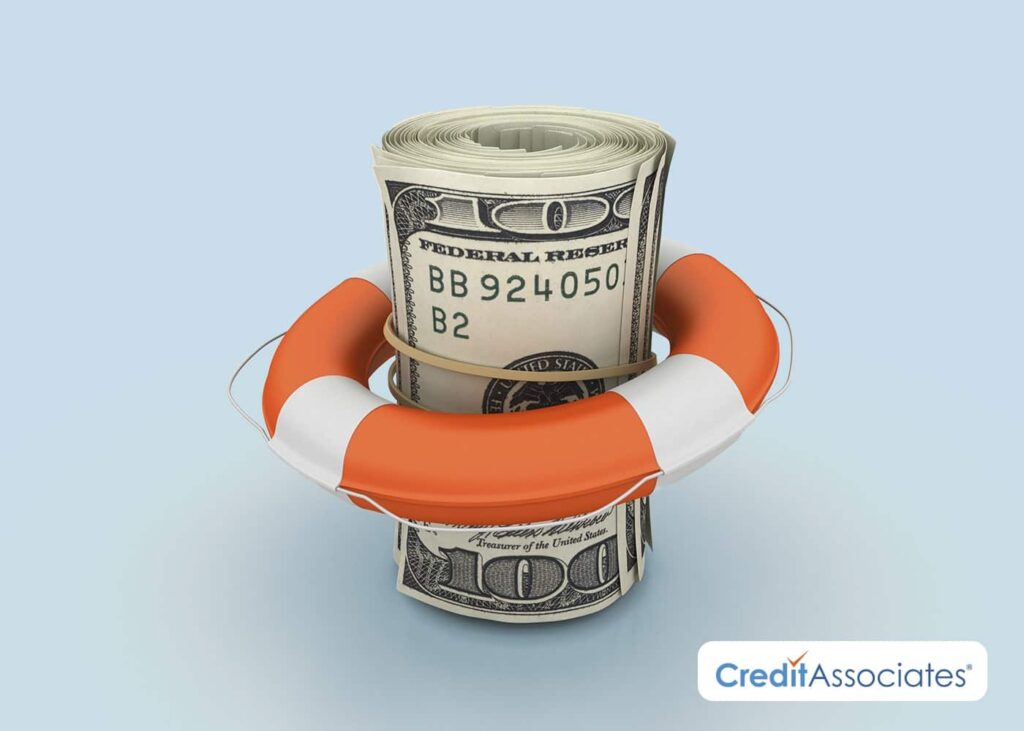
Summary:
- Acknowledging your debt is the first step towards recovery; create a comprehensive list of all debts, understanding the interest rates, priorities, and penalties.
- Develop a strategic debt repayment plan by adjusting your budget, utilizing tools and strategies like the snowball or avalanche methods to efficiently reduce debt.
- Consider debt consolidation to simplify monthly payments and potentially reduce interest rates, but be cautious of possible pitfalls like hidden fees or extended payment periods.
- Engage openly with creditors to negotiate more manageable repayment terms or explore professional debt relief services for significant debt challenges.
- CreditAssociates® is ready to assist you in navigating away from debt and building a brighter financial future; schedule a free consultation to learn how we can support your journey toward financial freedom.
When the burden of debt feels like a weight pulling you under, the first step is to acknowledge the problem without judgment. You’re not alone; many face similar challenges, especially in uncertain economic times. Recognizing you’re in over your head is a sign of strength, not weakness. It’s the crucial first step toward regaining financial stability. Remember, no matter how deep the water seems, lifelines can help you regain your footing.
1. Recognizing the Depth of Your Debt
Begin your journey to solid ground by taking stock of all you owe. Create a comprehensive list of your debts, including credit card balances, loans, and other financial obligations. This clear-eyed assessment is the map that will guide your path forward. Understand not just what you owe but the interest rates you’re paying, which debts are priorities, and any penalties for late payments. This knowledge is power — the power to plan effectively and tackle your debt systematically.
2. Creating a Strategic Debt Repayment Plan
Budget Adjustments for Debt Reduction
Examine your budget with a critical eye. Identify areas where you can cut back and reallocate funds to debt repayment. It’s about making smart sacrifices now for a debt-free future. Consider using budgeting apps or tools to help you visualize where your money goes and where you can tighten up. Every dollar saved from non-essential expenses is another dollar that can go towards reducing your debt.
The Snowball vs. Avalanche Methods
Two effective strategies for paying off debt are the snowball and avalanche methods. The snowball method involves paying off the smallest debts first to build momentum, while the avalanche method focuses on debts with the highest interest rates. Both have their merits, and your choice depends on what will keep you motivated and what makes the most financial sense for your situation.
3. Exploring Debt Consolidation Options
Debt consolidation can be a lifeline when you’re adrift in various debts. By combining multiple debts into a single loan with a lower interest rate, you’re not just simplifying your monthly payments — you’re potentially reducing the total interest paid over the life of your debts. This strategy can provide a more manageable and transparent path to becoming debt-free.
Benefits:
- Simplification of monthly payments
- Potential for lower interest rates
- Easier debt tracking
Potential Pitfalls:
- Hidden fees
- Extended payment periods, which could mean more interest paid over time
- Possible impacts on credit score
When considering debt consolidation, it’s vital to research thoroughly. Look for reputable services with transparent pricing structures and read the fine print to avoid any hidden fees or conditions that might set you back. Consider speaking with a financial advisor to understand how consolidation fits into your broader financial picture. Remember, the goal is to make your debt more manageable, not to create additional financial strain.
4. Communicating with Creditors
Don’t shy away from talking to your creditors. Many are willing to work with you to adjust your payment plan if it means they’ll get paid. Be honest about your financial situation. You can negotiate lower interest rates, reduced payments, or even a settlement. Clear communication can prevent your debts from escalating and provide more manageable repayment terms.
5. Seeking Professional Help
When to Consider Debt Relief Services
If your debts are too overwhelming to tackle alone, or you’re struggling to reach agreements with creditors, consider professional debt relief services. These services can negotiate on your behalf to lower your debt, consolidate multiple debts into one payment, or even settle your debt for less than you owe.
The Role of Credit Counseling
Credit counseling agencies offer valuable services like debt management plans, budgeting assistance, and personalized financial education. They work with you to develop a strategy to help you manage your debts and improve your financial situation.
6. Preventing Future Debt
As you work your way out of debt, taking steps to prevent falling back into it is critical. Start building an emergency fund to cover unexpected expenses, even if it’s just a small amount each month. Additionally, adopt a cash-only budget to avoid overspending and racking up new credit card debt. Financial discipline is like a muscle — the more you exercise it, the stronger it becomes.
Navigate Away from Debt with CreditAssociates®
Are you ready to take control of your finances and build a brighter financial future? Our dedicated team of financial experts is here to help guide and support you every step of the way. Visit our website to get started on your financial journey!
Common Questions
How do I prioritize which debts to pay off first?
Consider prioritizing debts with the highest interest rates since they cost you the most over time. However, if you need quick wins to stay motivated, start with the smallest debts first.
Is debt consolidation right for me?
Debt consolidation is best for those with multiple debts with high-interest rates. It can lead to lower monthly payments and simplify your finances, but it’s not a one-size-fits-all solution.
Can debt relief services help me pay less than I owe?
Yes, in some cases, debt relief services can.