

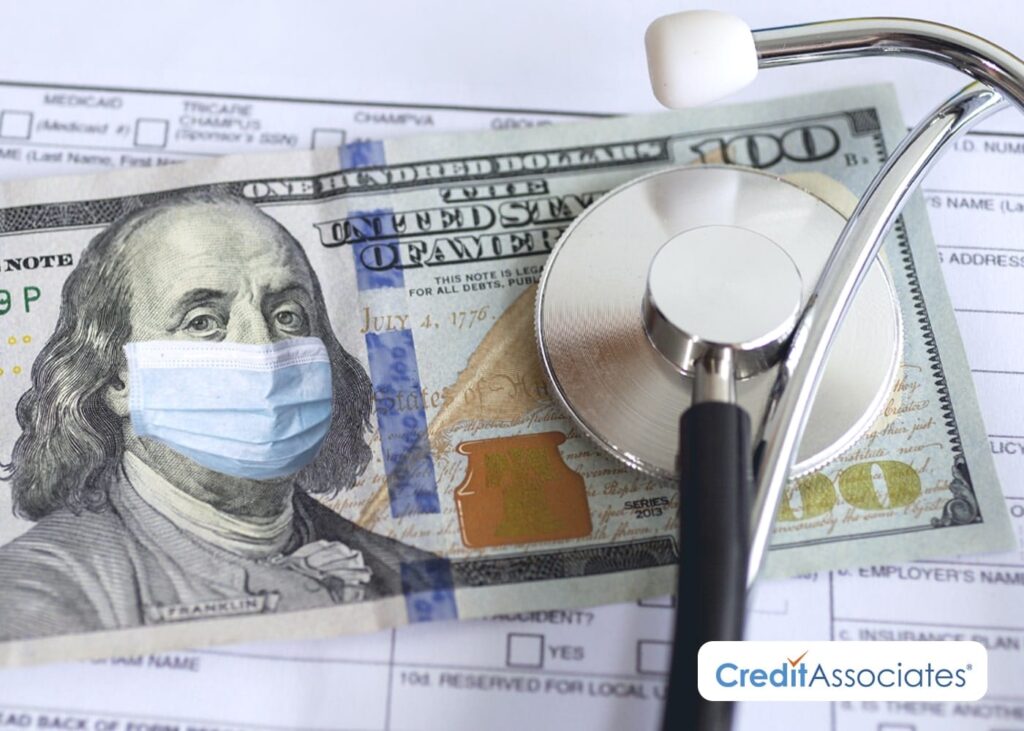
Summary:
Healthcare debt is uniquely burdensome because it’s often incurred from necessary and immediate medical treatments, tying emotional stress directly to financial obligations.
Key strategies to manage and reduce healthcare debt include reviewing and negotiating bills, seeking financial assistance, and considering options like medical credit cards with caution due to their long-term financial implications.
Using tools like Health Savings Accounts (HSAs), engaging with medical bill advocates, and exploring telemedicine can also help mitigate healthcare expenses.
CreditAssociates® can help you navigate the complexities of healthcare debt with personalized debt settlement solutions, providing the support you need to regain financial stability.
Healthcare is a vital part of our lives. Yet, with rising medical costs, an increasing number of people find themselves overwhelmed by healthcare debt. Addressing this issue before it escalates is crucial for financial well-being and mental and emotional peace.
Understanding Healthcare Debt
What is Healthcare Debt?
Healthcare debt originates from unpaid medical services, encompassing emergency surgeries, routine check-ups, or specialized treatments. With escalating healthcare costs, many find themselves owing more than anticipated. Even those with insurance can face hefty bills due to high deductibles or uncovered procedures, leading to mounting healthcare debts. It reflects the broader challenge of navigating today’s healthcare financial landscape.
Why is Healthcare Debt Different?
Healthcare debt occupies a unique place in the spectrum of personal debts. While someone can delay a vacation or forgo the latest smartphone due to financial constraints, health is non-negotiable. When medical attention is needed, it’s often urgent and cannot be postponed. This immediacy differentiates healthcare debt from most other debts.
Additionally, the emotional aspect must be considered. Healthcare debt isn’t just numbers on paper; it’s tied to memories of illness, pain, and sometimes even trauma. It reminds individuals of vulnerable moments in their lives or the lives of their loved ones. This intertwining of personal health experiences with financial obligations creates a dual strain.
What is Bad Healthcare Debt?
Bad healthcare debt, specifically, represents the amount that patients are either unable or unwilling to pay. With escalating healthcare costs, many find themselves owing more than anticipated. Even those with insurance can face hefty bills due to high deductibles or uncovered procedures, leading to mounting healthcare debts. It reflects the broader challenge of navigating today’s healthcare financial landscape and understanding how to reduce bad debt in healthcare.
[button link=”https://www.creditassociates.com/debt-settlement-consultation/” color=”orange”] Free Debt Consultation[/button]
10 Strategies for Managing and Reducing Healthcare Debt
1. Review and Negotiate Medical Bills
Constantly scrutinize your bills for discrepancies. While reviewing bills can lead to savings, the negotiation process with healthcare providers can be laden with red tape and bureaucratic hurdles, making it time-consuming and mentally exhausting.
2. Seek Financial Assistance or Charity Care
Many hospitals and healthcare institutions offer financial assistance programs or charity care. These can significantly reduce your medical bills, but they often come with strict eligibility criteria, so it’s essential to inquire and understand the requirements for eligibility.
3. Consider Medical Credit Cards or Loans
These can provide temporary relief, but they come with interest rates and terms that complicate your financial situation in the long run. Understanding the interest rates and terms is crucial before choosing this route.
4. Opt for High-Value Healthcare Providers
Choosing providers based on cost-effectiveness is wise. However, unforeseen medical emergencies might only sometimes allow for such choices. Additionally, it can be challenging to ascertain the quality of care based solely on price.
5. Engage in Preventive Care
Prioritizing preventive care can save costs in the long run. Still, even with preventative measures, unexpected medical issues can arise, emphasizing the need for financial preparedness.
6. Utilize Health Savings Accounts (HSAs) and Flexible Spending Accounts (FSAs)
These accounts allow you to set aside pre-tax money for medical expenses. They offer financial benefits but come with usage stipulations and yearly limits.
7. Consult Medical Bill Advocates
These professionals specialize in reviewing medical bills for errors and overcharges. While they can save you money, their fees sometimes offset the savings.
8. Bundle Your Services
Whenever possible, get multiple procedures done at the same facility or by the same provider. This can sometimes lead to bundled discounts, but verifying any cost savings beforehand is essential.
9. Explore Telemedicine Options
Telehealth can be a more affordable alternative to in-person visits, especially for nonemergency situations. It’s an evolving field, and costs can vary, so it’s essential to research and compare options.
10. Price Shop for Prescription Medications
Different pharmacies can offer varying prices for the same medication. Using apps and websites that compare drug prices across various pharmacies can lead to significant savings.
Deb settlement can be a viable solution for those overwhelmed by the complexities of healthcare debt or facing bills they cannot manage. Rather than navigating the intricate world of medical billing or facing the stress of accumulating interest, partnering with a debt settlement company can offer a direct path to financial relief.
CreditAssociates® Can Help You
Are you ready to take control of your finances and build a brighter financial future? Our dedicated team of financial experts is here to help guide and support you every step of the way. Visit our website to get started on your financial journey!
Common Questions
Are there legal protections against aggressive medical debt collectors?
Yes, consumers are protected against undue harassment or unfair collection practices. Familiarize yourself with your rights, and consider seeking legal or professional advice when faced with aggressive collection tactics.
Can healthcare providers charge interest on unpaid bills?
Some providers might charge interest on overdue bills. Review any financial agreements or billing terms to understand potential interest charges and other fees.
How can I verify if a debt relief company is legitimate?
Research the company online, check for industry certifications, read customer reviews, and ensure you have a transparent and proven track record.