

Summary:
- Credit card debt is widespread in America, with the average balance steadily increasing.
- Factors contributing to this debt include economic challenges like stagnant wages and rising living costs, impulsive spending habits, high interest rates, and easy access to credit.
- Carrying high credit card debt can have significant negative consequences, including financial stress and anxiety, damaged credit scores, and limited financial freedom.
- Various debt relief options are available, including debt consolidation, debt management plans, and debt settlement, each offering different approaches to managing and reducing debt.
- CreditAssociates® can help you navigate the complexities of credit card debt. Our personalized debt settlement solutions will guide you toward financial freedom by substantially reducing what you owe.
Credit cards — those convenient pieces of plastic that offer instant purchasing power — have become deeply intertwined with American life. For many, they represent a lifeline in emergencies, a tool for building credit, or a convenient way to manage daily expenses. However, for a significant portion of the population, credit cards also represent a growing burden of debt, leading to financial stress, anxiety, and limitations.
In this article, we’ll delve into the reality of credit card debt in America, exploring the average debt statistics, the factors contributing to this issue, and, most importantly, the solutions available to manage and ultimately overcome this financial challenge. From exploring credit card debt relief options to adopting smarter financial strategies, this article aims to empower individuals and families to break free from the cycle of debt and achieve lasting financial well-being.
The State of Credit Card Debt in America
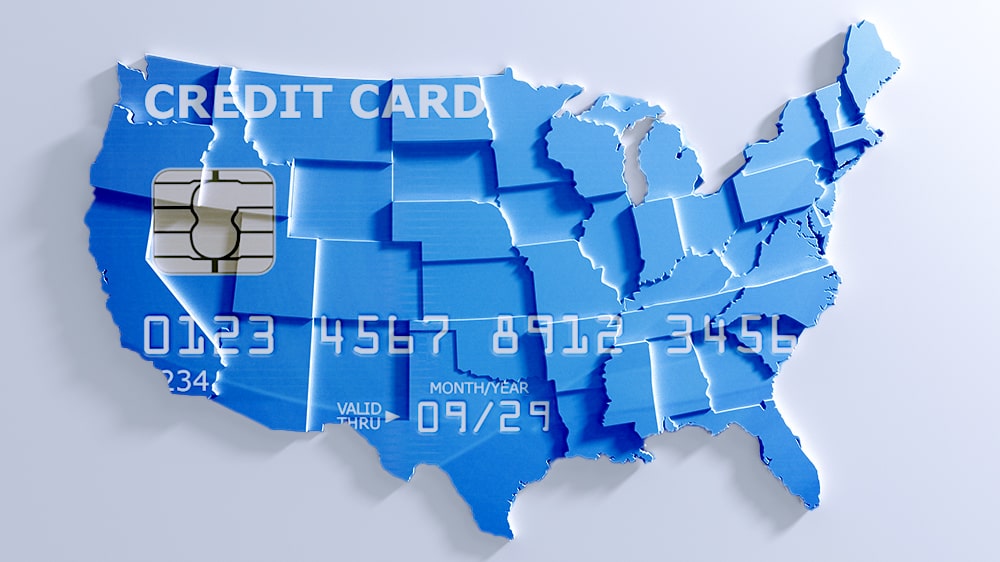
Credit card debt in the United States has become pervasive, impacting millions of households and individuals nationwide. According to Experian, recent data paints a concerning picture, with the average credit card balance reaching $6,501 as of the third quarter of 2023. This marks a notable increase from $5,910 in 2022, indicating a growing reliance on credit cards and a potential struggle to manage these debts effectively. As balances rise and interest charges accumulate, many Americans find themselves trapped in a cycle of debt that can feel overwhelming and inescapable. This escalating debt burden not only poses a significant threat to individual financial stability but also raises concerns about the nation’s overall economic health.
Factors Contributing to Credit Card Debt
The issue of credit card debt in America is complex and multifaceted, stemming from a confluence of economic realities, individual financial habits, and the practices of the credit card industry itself. Understanding these underlying factors is crucial for addressing the root causes of debt and developing effective strategies for individuals and society.
- Economic Challenges: The rising cost of living, stagnant wages, and unexpected expenses (e.g., medical bills) can strain household budgets, leading individuals to rely on credit cards to bridge the gap and cover essential needs.
- Financial Habits: Impulsive spending, poor budgeting skills, and a lack of financial literacy can contribute to overspending and accumulating unsustainable debt levels.
- High Interest Rates: Credit cards often come with exorbitant interest rates, which can quickly compound debt and make it difficult to pay off balances, trapping individuals in a cycle of revolving credit.
- Easy Access to Credit: The ease of obtaining credit cards and the constant temptation of readily available credit can lead to overspending and impulsive purchases, further fueling the debt burden.
The Consequences of High Credit Card Debt
Carrying high credit card debt can have profound negative consequences, not only on one’s financial health but also on mental well-being and overall life opportunities. Understanding these impacts is crucial for managing and prioritizing debt reduction.
Financial Stress and Anxiety
The emotional toll of debt cannot be overstated. Constantly managing high levels of credit card debt can lead to significant stress and anxiety. This emotional burden often stems from the pressure to meet repayment obligations while covering daily living expenses. The stress can exacerbate other mental health issues, leading to a decreased quality of life and potentially affecting relationships and professional performance. Financial stress is also known to contribute to health problems like insomnia, depression, and anxiety, creating a cycle that can be challenging to break.
Damaged Credit Score
High credit card balances are one of the primary contributors to a lowered credit score. Credit utilization, the ratio of your credit card balances to your credit limits, should ideally be kept below 30% to maintain a healthy credit score. High utilization rates signal to creditors that one may be overextended, and they typically respond by viewing such consumers as high-risk borrowers. This can affect the ability to secure loans with favorable terms in the future, increase the cost of borrowing, and even impact areas such as rental agreements and employment opportunities where credit checks are standard.
Limited Financial Freedom
Excessive credit card debt severely restricts an individual’s financial freedom. Monthly repayments can consume a significant portion of one’s income, limiting the ability to allocate money toward savings, investment, or retirement accounts. This limitation can delay or even prevent achieving important financial goals such as buying a home, investing in education, or securing a financially stable retirement. Furthermore, the lack of financial buffer means any unexpected expense can lead to further debt, perpetuating a cycle of borrowing that can be difficult to escape.
Credit Card Debt Relief Options
Navigating the complexities of credit card debt requires understanding the various strategies for managing and reducing what you owe. Here are several effective options to help lessen the financial burden and provide a pathway to debt freedom.
Debt Consolidation
Debt consolidation involves combining multiple credit card balances into a single loan or using a balance transfer credit card with a lower interest rate. This method simplifies financial management by consolidating various debts into one monthly payment. It can also lower your overall interest rates, which helps you save money in the long run and pay off your debt faster. Standard debt consolidation methods include taking out a personal loan or using a balance transfer credit card that offers a low introductory APR period.
Debt Management Plan
A Debt Management Plan (DMP) is facilitated by credit counseling agencies and is designed to help you pay off your credit card debt through a structured and affordable payment strategy. After assessing your financial situation, a credit counselor works with you to create a plan that consolidates your credit card payments into one monthly installment. The agency can also negotiate with creditors to lower your interest rates and waive specific fees, making it easier to reduce your debt.
Debt Settlement
Debt settlement is a process where you or a designated advocate negotiates with creditors to settle a debt for less than what is owed. This can be a viable option if you cannot manage your current debt load and seek a reduction in the principal amount. However, it’s important to note that debt settlement can negatively impact your credit score and should be considered carefully. It’s often seen as a preferable alternative to bankruptcy, with more severe repercussions.
Bankruptcy
As a last resort, bankruptcy can provide a way out for those overwhelmed by insurmountable debt. There are two primary types of bankruptcy for individuals: Chapter 7 and Chapter 13. Chapter 7 bankruptcy involves liquidating your assets to pay off as much debt as possible before the rest is discharged. In contrast, Chapter 13 allows you to keep your assets and reorganize your debts to pay them over three to five years. Bankruptcy has long-term effects on your credit score and can stay on your credit report for up to 10 years, making it harder to obtain credit, insurance, or employment.
Each of these options has advantages and disadvantages. It’s crucial to assess your financial situation thoroughly and possibly consult with a financial advisor to determine the most effective strategy for managing your credit card debt. This approach will not only help reduce your debt but also rebuild your financial health.
Key Strategies to Avoid and Overcome Credit Card Debt
Enhance your financial management with these detailed strategies for avoiding and managing credit card debt:
- Budgeting and Tracking Expenses: Develop a detailed budget to understand your income and expenditures. Use budgeting tools or apps to track your spending in real time, which can help you avoid overspending and identify areas where you can cut costs.
- Paying More Than the Minimum: Increase your monthly credit card payments beyond the minimum required. This approach reduces the principal balance faster, decreases the total interest accrued, and shortens the debt repayment period, saving money over the long term.
- Building an Emergency Fund: Prioritize building an emergency fund by setting aside a small, manageable amount of money each pay period. Aim to accumulate enough to cover at least three to six months of essential expenses. This fund is a financial safety net to cover unexpected costs without using high-interest credit cards.
- Using Credit Cards Responsibly: Use credit cards wisely by only charging what you can afford to pay off in full each month. This strategy helps avoid interest charges and maintain a healthy credit score. Additionally, think carefully about each huge purchase to ensure they are necessary and within your budget.
- Seeking Financial Education: Actively seek to improve your financial literacy by exploring online resources, attending finance-related workshops, or consulting with a financial advisor. Understanding economic principles can empower you to make smarter decisions about credit, investing, and saving, contributing to overall financial well-being.
Reduce Your Credit Card Debt with Debt Settlement Solutions
Are you struggling to manage overwhelming credit card debt? Don’t let the stress take over your life. At CreditAssociates®, our debt settlement services can help you substantially reduce your debts and regain control of your finances. Our expert team is ready to provide you with personalized strategies and support to navigate your way to a debt-free future. Take the first step toward financial freedom — schedule a free consultation today and see how we can help you achieve your financial goals.
Common Questions
What is the snowball method for paying off credit card debt?
The snowball method involves paying off your debts from smallest to largest. You make minimum payments on all debts except the smallest, which you pay as much as possible until it’s fully paid off. Then, move on to the next smallest debt and repeat. This method can build momentum and motivation as you see debts disappearing.
How does a balance transfer affect my credit score?
A balance transfer can affect your credit score in several ways. Initially, it might cause a slight dip due to the difficulty of applying for a new credit card. However, if a balance transfer card with a 0% APR offer allows you to pay down your balance faster, it can improve your credit utilization and boost your score over time.
Is it better to close a credit card after paying it off?
Closing a credit card after paying it off can negatively affect your credit score by impacting your credit utilization ratio and the average age of your credit accounts. It’s often advised to keep the account open, especially if it has no annual fee, to maintain a more extended credit history and better utilization rate.